Chapter 9
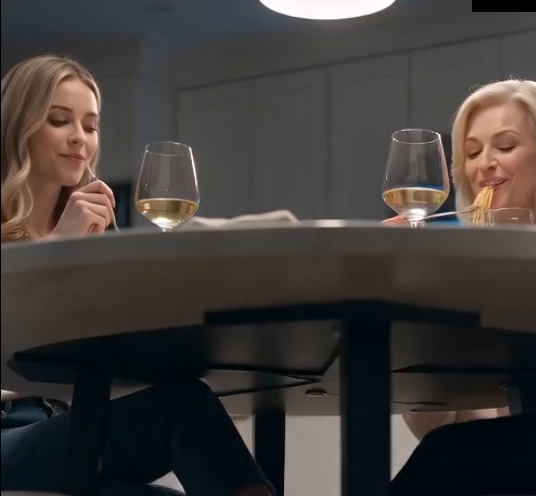
Three months later, life felt almost normal.
Almost.
I’d gotten the graphic design job.
I was now the lead designer at the small nonprofit firm, working on branding for domestic violence shelters, food banks, youth programs—work that mattered, work that made me feel like I was giving back.
My first big project, a campaign for the Arizona Coalition Against Domestic Violence, had just launched citywide.
My face was even on a few billboards, next to the words: “You are not alone. Fight back.”
I’d renovated the condo, too.
Painted the walls a soft, warm blue, the color of the sky just before sunset.
Hung my dad’s old law degree in the hallway, framed next to his favorite photo of us fishing at Lake Pleasant when I was 10.
Turned the second bedroom into a design studio, with a big desk by the window, my art supplies spread out, my portfolio open on the screen.
I rented the small guest apartment above the garage to Zoe, a 28-year-old single mom with a 4-year-old daughter named Lily.
Zoe was a nurse, working nights at the hospital, trying to save up enough money to buy her own place.
She’d left an abusive relationship two years earlier, moved to Phoenix to start over.
We’d become fast friends.
She brought me coffee when she got home from her shift at 7 a.m.
I watched Lily on the weekends when she had to work overtime.
Lily called me Auntie Mia.
She drew me pictures every day, colored all over my studio walls when I wasn’t looking (I let her—they were better than any art I could buy).
Mrs. Lopez came over every Sunday for dinner.
We took turns cooking.
She taught me to make her famous tamales.
I taught her to use Instagram to post photos of her garden.
Mark came over once a month for steak and beer, telling me stories about my dad, updating me on the trust, making sure everything was still okay.
I still had bad days.
Days when I’d hear a plate clink in the kitchen and flinch.
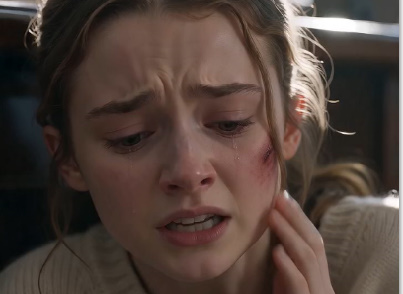
Days when I’d have nightmares about that night, waking up sweating, my head throbbing like the plate had just hit me again.
Days when I’d look in the mirror and see the scar on my forehead and remember how small I’d felt, how scared.
But the bad days were getting fewer.
And the good days?
They were brighter than any I’d had in years.
Last week, I’d spoken at a domestic violence awareness event at the community center.
A 19-year-old girl had come up to me afterward, crying, and told me my story had given her the courage to leave her abusive boyfriend.
I’d hugged her, given her my number, told her to call me anytime, day or night.
That night, I’d sat on my balcony, looking out at the city, and I’d felt my dad there with me.
Proud.
Like he was saying, “That’s my girl.”
I was healing.
Slowly.
Piece by piece.
I wasn’t the same girl I’d been six months earlier.
I was stronger.
Braver.
Kinder, to myself and to others.
I knew what it was like to be broken.
And I knew what it was like to put yourself back together, better than before.
The scar on my forehead wasn’t a mark of shame anymore.
It was a reminder.
A reminder that I’d survived.
That I’d fought back.
That no one could ever take my power from me again.
I poured myself a glass of iced tea, leaned back in my chair, and smiled.
Life was good.
May you like
Really good.
And it was only going to get better.