Chapter 1
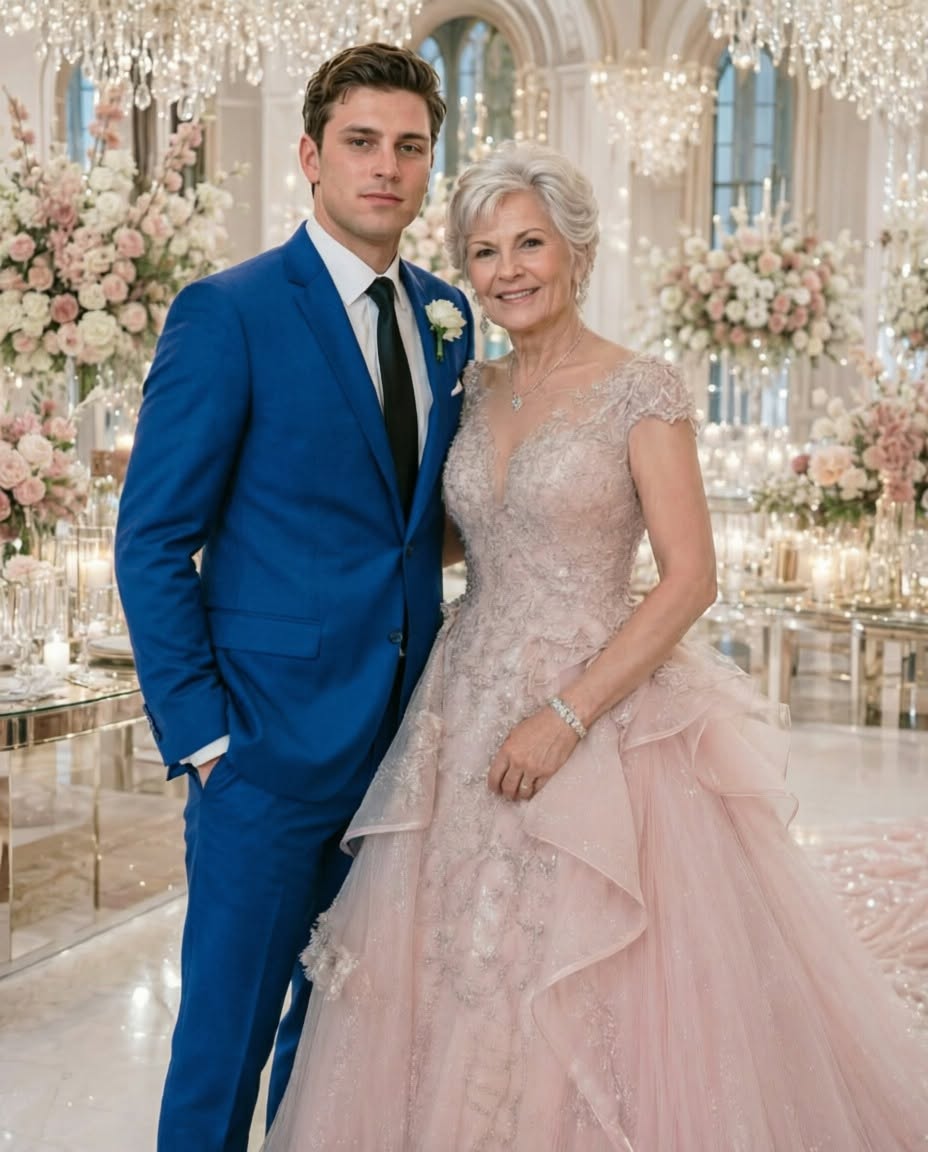
The rain hit Evelyn’s casket so hard I could barely hear the priest.
I stood at the front of the cemetery, hands stuffed in the pockets of the too-big suit she’d bought me three months prior, and felt every eye on my back.
Her relatives didn’t bother whispering.
“Gold digger.”
“Forty-six years younger. Disgusting.”
“He finally got what he waited for.”
For a split second, I almost agreed with them.
I was 25 when I married Evelyn.
Broke.
Drowning in $87,000 of medical debt from my mom’s cancer treatment.
Sleeping in the back of my rusted pickup behind the grocery store, stealing expired bread from the dumpster to eat.
She was 71.
A widow of 12 years.
Soft-spoken, with silver hair she twisted into a loose bun every morning, and a yellow house on Oak Street with a porch swing that creaked when you sat on it.
I didn’t marry her because I loved her.
I told myself I was surviving.
Stay three years, play the loyal husband, inherit the house, pay off the debt, get my mom the care she needed.
I never thought she saw right through me.
While I silently counted down the days on a calendar hidden in my truck, she loved me better than anyone ever had.
She left a mug of hot coffee on the counter every morning, exactly how I liked it—two sugars, a splash of cream, even though I never told her.
Bought me new work boots when my old pair split down the sole, left them by the door with a sticky note that said “For the man who fixes everything around here.”
Left a thick wool coat on the couch after noticing mine wouldn’t zip, said “You’ll catch your death wearing that rags” like it was the most obvious thing in the world.
And the worst part?
I barely let myself care.
I never saw her as my wife.
I saw her as a clock ticking down.
I leaned in a little closer every time she went to the cardiologist.
Stared at her pill bottles on the bathroom counter, wondering which one would be the last.
I know how terrible that sounds.
Back then, I convinced myself I was being practical.
That my mom’s life was worth more than an old woman’s feelings.
Then one Tuesday morning, I heard a thud from the kitchen.
I found her on the floor, face pale, hand still curled around the carton of orange juice she’d been pouring for me.
Three days later, she was gone.
The lawyer’s office smelled like lemon polish and old paper.
Her relatives packed the room, arms crossed, waiting to watch me get everything I “deserved.”
The lawyer cleared his throat and read the will.
The yellow house on Oak Street went to Lila, her 28-year-old niece, the only family member who’d visited her more than once a year.
Nearly all her savings—$420,000—went to the animal shelter she’d volunteered at for 20 years.
Her jewelry went to her sister.
I got nothing.
Not a dime.
Not the old recliner I’d sat in every night.
Not even the coffee mug she’d bought me.
A murmur rippled through the room.
Snarling satisfaction from the relatives.
Confusion from me.
I’d played the part for 18 months.
Cooked her soup when she had a cold.
Fixed the fence, mowed the lawn, held her hand when she talked about her dead husband.
How could she leave me with nothing?
Then the lawyer slid an old scuffed shoebox across the table.
My name was written across the lid in Evelyn’s neat, looping handwriting.
I frowned. “What is this?”
He looked me steady in the eye, no pity on his face.
“She said this is what you truly wanted. Not the house. Not the money. This.”
My hands started shaking so bad I fumbled the lid twice before I got it open.
I lifted it slow.
And the first thing I saw made my entire body turn cold.
A stack of my mom’s medical bills.
Every single one I’d hidden in the lining of my truck seat, the ones I’d stayed up nights crying over, convinced I’d never pay them off.
Each one was stamped PAID IN FULL in bright red ink.
May you like
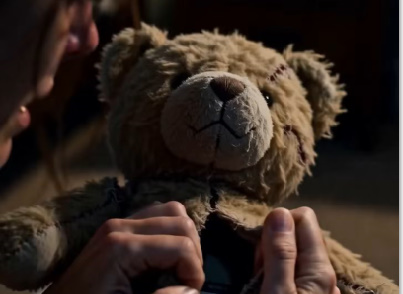
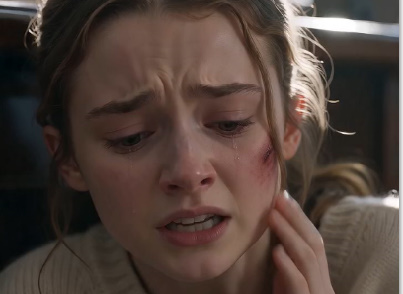
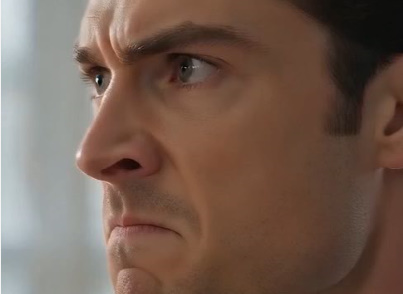
And across the top of every page, in Evelyn’s handwriting, the same four words:
For my boy’s mom.