Chapter 6
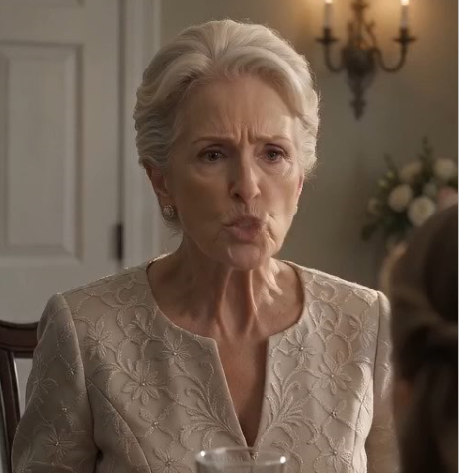
The restraining order was a turning point.
Margaret didn’t violate it, not at first. The calls stopped. The texts stopped. The slow drives past our house stopped. For the first time in months, we could breathe.
But healing wasn’t easy. It was slow, messy, full of bad days and setbacks.
Lily refused to do any more spelling bees. When her teacher sent home a flyer for the regional competition, she crumpled it up and threw it in the trash, her face tight.
“I don’t want to do it,” she said, when I asked her about it. “What if I win again? What if someone rips it up?”
My heart ached. I didn’t push her. I just told her that whenever she was ready, we’d be there.
Mia was still on edge. She jumped at every loud noise, checked the locks on the doors three times every night, refused to be alone anywhere in public. She stopped drawing, the thing she loved most in the world. Her art teacher called, worried. She said Mia hadn’t turned in a single project in a month.
James was struggling, too. He’d always defined himself as a good son, a good man who took care of his mom. Now that part of his identity was gone. He was angry, sad, guilty, all at once. He’d sit on the porch for hours, drinking beer, staring at nothing.
We started family therapy. Every Wednesday at 4 p.m., we’d sit in Dr. Rao’s quiet office, talking about what we’d been through. It was hard at first. No one wanted to talk. But slowly, week by week, the walls came down.
Mia was the first to open up.
“I’m scared I’m like her,” she said, one session, her voice quiet. “I have her blood. What if I turn out just as mean, just as selfish?”
Dr. Rao leaned forward, her voice soft.
“Being related to someone doesn’t mean you’re like them,” she said. “You saw what she did, and you stood up to her. You protected your sister. That’s not her. That’s you. That’s the good in you.”
Mia cried. James cried. We all cried.
After that, Mia started drawing again. She drew a big, colorful picture of our family—me, James, her, Lily, even Clara, all holding hands, with a big sun shining over us. She hung it on the fridge, right in the middle.
James made a big change, too. He quit his high-paying corporate job, the one that made him travel 10 days a month, the one that had kept him away so much when the girls were little. He took a lower-paying job at a small local firm, with regular hours, no travel.
“I missed too much,” he said, when he told us. “I don’t want to miss any more. You guys are the most important thing in the world to me. Nothing else matters.”
Lily was the last to heal. But one night, two months after the hearing, she came into the living room, holding a crumpled plastic bag.
It was the scraps of her spelling bee certificate. I’d saved them, tucked in a drawer, waiting for the day she was ready.
“Can we tape it back together?” she said, her voice small.
We all sat on the floor for an hour, carefully taping every tiny piece back in place. It was wrinkled, torn, the edges frayed. But you could still read her name, still read “First Place.”
We framed it, just like that. Hung it in the hallway, right outside Lily’s room, where she could see it every morning when she woke up.
That night, she climbed into bed with me and James, like she did when she was little.
“I think I want to do the spelling bee next year,” she said, her voice sleepy. “Not for anyone else. For me.”
James kissed the top of her head.
“We’ll be right there cheering for you,” he said. “No matter what.”
Clara came over every Sunday now, for dinner. She brought her famous lasagna, the kind with extra cheese. She’d sit with Lily, practicing spelling words. She’d sit with Mia, helping her with her art projects. She became the grandma Margaret never was, the aunt we’d always needed.
May you like

For a while, it felt like we’d finally turned a corner. Like the worst was behind us.
But Margaret wasn’t done. Not by a long shot.